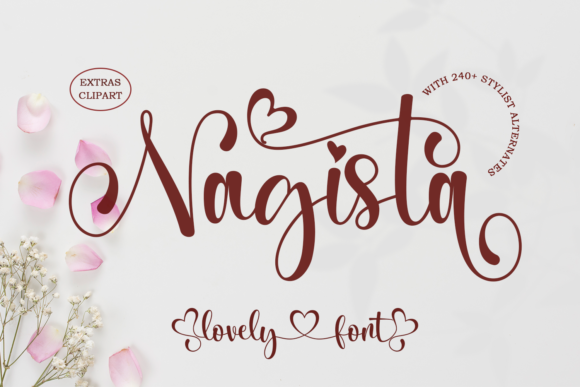
Nagista: Elevate Your Creative Projects with This Elegant Duo Font
In the crowded landscape of digital design, finding a typography solution that combines elegance with functionality can feel like discovering a hidden gem. Nagista emerges as a standout choice, offering a sophisticated duo of script and dingbats that instantly injects a customized, professional touch into any visual composition. Whether you are drafting a wedding invitation or finalizing a brand logo, the fluidity and charm of this font family bridge the gap between classic artistry and modern digital requirements.
Understanding the Versatility of Nagista
At its core, typography is about communication, but Nagista elevates this to visual storytelling. As a duo font, it pairs the organic flow of a hand-lettered script with a comprehensive set of dingbats. This combination is a powerful asset for graphic designers looking to create cohesive visual systems without juggling multiple typefaces.
The true power of this creative asset lies in its accessibility. Being PUA encoded means that every glyph, swash, and ornament is fully accessible without requiring specialized design software. This feature is a game-changer for marketers and content creators who may be working within standard text editors or web builders but still desire a premium, custom aesthetic. It ensures that the visual hierarchy of your design remains intact, regardless of the platform.
Practical Applications in Modern Design
The utility of a high-quality script font extends across nearly every sector of visual communication. Nagista is particularly effective in scenarios where a personal, human touch is required to evoke emotion or establish trust. Its ravishing appearance makes it a versatile tool in a designer's workflow.
- Branding and Logo Design: For boutique businesses, bakeries, or lifestyle brands, the script style offers an approachable yet luxurious feel. Paired with the dingbats, you can create unique monograms and brand marks that stand out in a competitive market.
- Print Design: Wedding invitations, thank you cards, and greeting cards rely heavily on the "feel" of the text. The flowing lines of Nagista mimic the quality of high-end stationery, adding tactile value to the digital file.
- Digital Marketing and Social Media: In the fast-paced world of social media graphics, stopping the scroll is essential. Using this font for quotes, headers, or call-to-action elements adds a layer of sophistication that standard sans-serifs often lack.
- Editorial and Web Design: While body text requires high legibility, pull quotes and hero headers benefit from expressive typography. Nagista can break the monotony of a layout, guiding the user's eye and enhancing the overall user experience (UX).
Tips for Integrating Fonts into Your Workflow
While having a beautiful font is a great start, effective implementation is what separates amateur work from professional graphic design. When incorporating Nagista or similar script fonts into your projects, consider the following principles to ensure your design remains polished:
- Contrast is Key: Script fonts are best used for headlines or accents. Pair them with a clean, geometric sans-serif or a classic serif for body text to maintain readability and create a strong visual hierarchy.
- Spacing and Legibility: Because cursive letters connect, tracking (letter spacing) is crucial. Ensure that your text is legible at various sizes, particularly for web design and UI elements where clarity impacts navigation.
- Color Palette Alignment: Elegant fonts often pair well with muted, earthy tones or bold monochromes. Ensure your color palette complements the vintage or modern aesthetic of the typeface to strengthen your brand identity.
Ultimately, the goal of any design asset is to facilitate clear and beautiful communication. By selecting resources like Nagista