Happy Camping: The Elegant Script Font for Modern Design
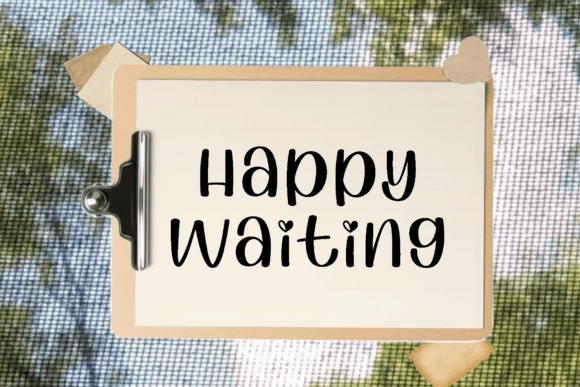
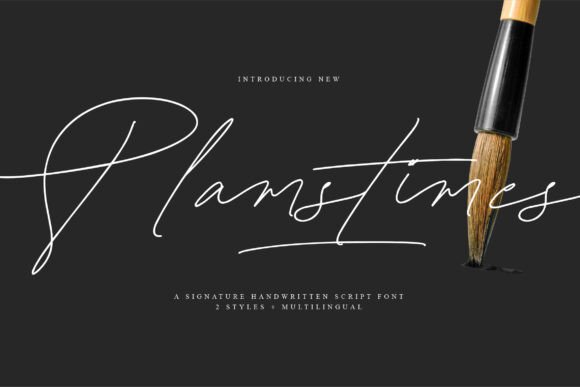
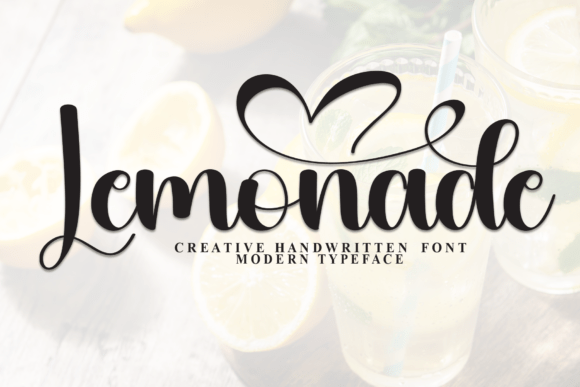
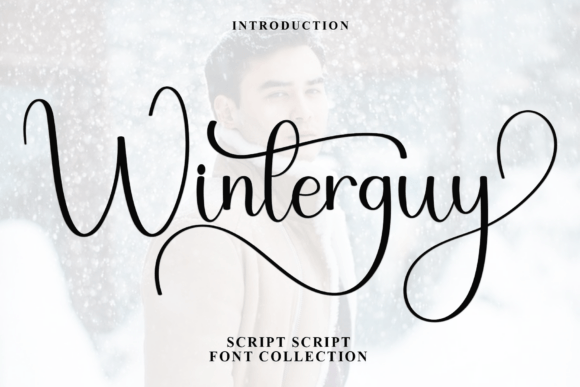
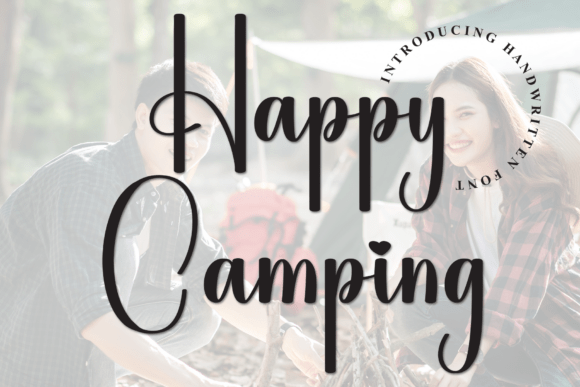
Finding a typeface that balances personality with professionalism can transform a good design into a memorable one. The Happy Camping font, a stylish handwritten script, offers exactly that blend, capturing elegance and freshness in every graceful stroke. Its flowing curves provide a delicate, personal touch that elevates invitations, branding, and stationery, making it a valuable creative asset for designers seeking warmth and sophistication.
The Role of Typography in Visual Communication
Typography is the voice of your design. It sets the tone, guides the viewer's eye, and conveys emotion before a single word is read. In a crowded digital landscape, the right font choice is critical for establishing visual hierarchy and ensuring your message is both seen and felt. A script font like Happy Camping introduces a human, handcrafted element that can soften corporate edges or add a layer of intimacy to personal projects.
Why a Handwritten Script Matters
Modern design trends often emphasize authenticity and connection. A handwritten script font directly supports this by mimicking the imperfections and flow of natural writing. This creates an immediate sense of approachability and creativity. When used thoughtfully, it enhances user engagement by making digital interfaces, packaging, and marketing materials feel more personal and less generic.
Practical Applications for Your Creative Projects
The versatility of a well-crafted script font allows it to shine across numerous applications. Here’s how you can integrate a font like Happy Camping into your workflow:
- Branding and Logo Design: Use it for taglines, submarks, or primary logos for lifestyle brands, boutiques, or artisan products to convey elegance and craftsmanship.
- Marketing Materials: Apply it to headlines in brochures, flyers, and digital ads to create a focal point that draws the eye and communicates sophistication.
- Social Media Content: Stand out in feeds with elegant quote graphics, story highlights, and promotional posts that require a personal touch.
- Website and UI Design: Employ it sparingly for hero section headlines, call-to-action buttons, or decorative elements to add visual interest without sacrificing readability.
- Packaging Design: Enhance product labels and unboxing experiences with script lettering that suggests premium quality and attention to detail.
- Editorial and Print Design: Create striking magazine covers, wedding invitations, or book titles that demand a beautiful, hand-lettered aesthetic.
Integrating Creative Assets Effectively
Simply having a beautiful font isn’t enough; strategic implementation is key to maximizing its impact. Consider these factors when using script fonts in your designs:
Balance and Readability: Script fonts are best used for display purposes—headlines, logos, and short phrases. Pair them with a clean, simple sans-serif or serif body font to ensure your content remains legible and accessible. This contrast creates a dynamic visual hierarchy.
Color Palette and Composition: Let the font’s elegance guide your color choices. A script font works beautifully with muted, pastel tones for a soft feel or with high-contrast colors for a bold statement. Ensure sufficient contrast against the background for web and UI design to maintain accessibility standards.
Consistency Across Platforms: Maintain brand identity by using the font consistently across all touchpoints—from your website to your social media graphics to print collateral. This builds recognition and reinforces a cohesive professional presentation.
Audience and Context: Always align your typography with your audience's expectations and the project's goals. A playful script might suit a children's brand, while a more refined one like Happy Camping is ideal for wedding planners, luxury goods, or creative agencies.
Thoughtful design is about making intentional choices that serve both aesthetics and function. By selecting high-quality creative assets and applying them with an understanding of typography, composition, and user experience, you can significantly elevate the quality of your work. The right font does more than spell words—it tells a story, builds a connection, and turns a simple design into a compelling visual narrative.