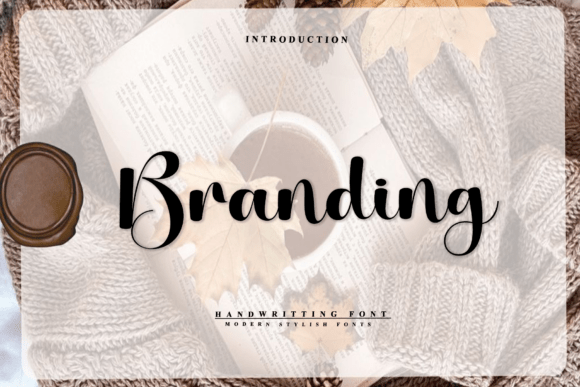
Branding: The Art of Visual Identity
Imagine a typeface that captures the very essence of a gala invitation—sophisticated, bold, and utterly unforgettable. This is the power of strategic branding, where every visual element, from a stunning high-contrast script font to a meticulously crafted color palette, works in concert to build a memorable identity.
Understanding the Role of Branding in Design
At its core, branding is the strategic process of creating a distinct and cohesive identity for a business, product, or individual. It extends far beyond a simple logo to encompass every touchpoint a customer encounters, shaping perception and building trust. In modern graphic design, effective branding is the foundation upon which all visual communication is built. It ensures that every piece of content—from a social media post to a website homepage—feels intentionally crafted and authentically represents the brand's values and personality.
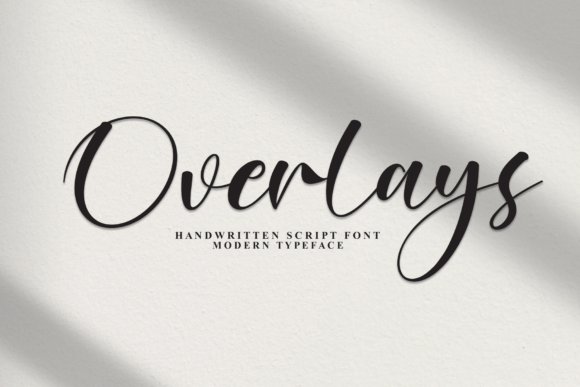
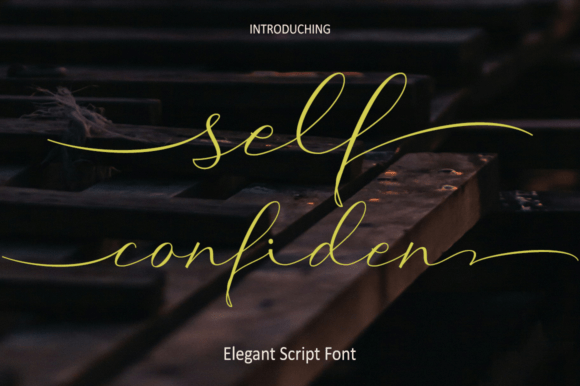
A strong brand identity functions as a visual language. Typography, like the dramatic "Branding" font with its sweeping ascenders and significant downstroke weight, becomes a primary voice. This particular typeface communicates luxury and movement, making it ideal for high-end applications where legibility over complex backgrounds is crucial. When paired with complementary serif or sans-serif fonts for body copy, it establishes a clear visual hierarchy that guides the viewer's eye and enhances readability.
Practical Applications for Creative Professionals
The true test of a brand system lies in its application across diverse creative projects. A well-defined set of brand guidelines ensures consistency, whether a designer is crafting a logo, developing a website, or producing print materials.
- Logo Design & Visual Identity: The primary logo, supported by a suite of secondary marks and icons, forms the cornerstone of brand recognition.
- Digital Marketing & Social Media: Templates for graphics, stories, and ads maintain a cohesive look across platforms, strengthening brand recall in fast-scrolling feeds.
- Web & UI Design: A consistent application of color, typography, and imagery creates a seamless user experience (UX) that feels professional and trustworthy.
- Editorial & Packaging Design: From magazine layouts to product packaging, the brand's visual language ensures every physical or digital touchpoint reinforces the overall identity.
For example, the "Branding" script font could be used for a luxury cosmetic line's headline text on its website and Instagram ads, while a clean sans-serif handles the product descriptions. This combination creates a dynamic yet harmonious visual flow.
Tips for Selecting and Using Design Elements
Choosing the right creative assets requires a thoughtful evaluation of your goals and audience. Here are key considerations for building a robust design workflow:
- Prioritize Readability and Scalability: Ensure your chosen typography remains legible across all sizes, from a billboard to a mobile screen. A heavy script font works beautifully for headlines but may be unsuitable for long-form body text.
- Establish Clear Visual Hierarchy: Use size, weight, and color to guide attention. Your most important message should be the most visually prominent.
- Ensure System Compatibility: New design elements should integrate seamlessly with your existing brand assets. Check that colors align with your palette and that the style of new imagery matches your established tone.
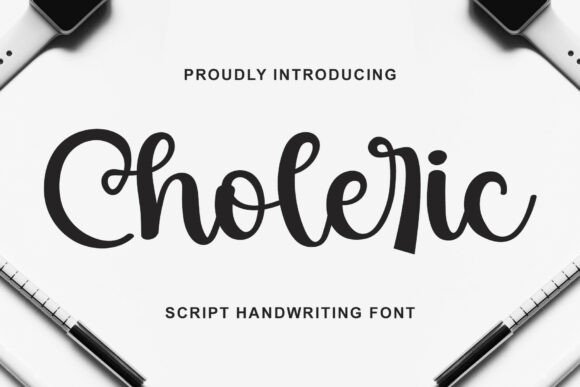
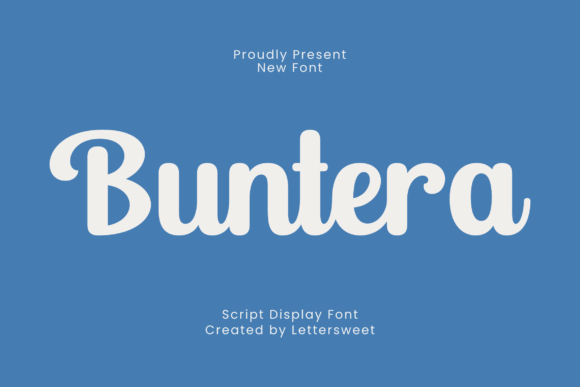
- Consider Audience Expectations: The aesthetic should resonate with your target market. A playful, rounded font might appeal to a youthful audience, while a structured serif conveys tradition and authority.
When evaluating a typeface or any design asset, test it in context. Place it over your typical photography, pair it with your secondary fonts, and view it on different devices. This practical approach prevents mismatched elements from undermining your professional presentation.
Ultimately, thoughtful design choices are an investment in communication. Quality creative assets, from distinctive fonts to cohesive brand kits, do more than beautify—they clarify your message, enhance user engagement, and build lasting brand equity. By curating a toolkit of versatile, high-quality resources, you empower yourself to produce work that is not only visually stunning but also strategically effective.